Developers
API References
Data Subject Request API
Data Subject Request API Version 1 and 2
Data Subject Request API Version 3
Platform API
Key Management
Platform API Overview
Accounts
Apps
Audiences
Calculated Attributes
Data Points
Feeds
Field Transformations
Services
Users
Workspaces
Warehouse Sync API
Warehouse Sync API Overview
Warehouse Sync API Tutorial
Warehouse Sync API Reference
Data Mapping
Warehouse Sync SQL Reference
Warehouse Sync Troubleshooting Guide
ComposeID
Warehouse Sync API v2 Migration
Audit Logs API
Bulk Profile Deletion API Reference
Calculated Attributes Seeding API
Data Planning API
Custom Access Roles API
Household Reach API Reference
Pixel Service
Profile API
Events API
mParticle JSON Schema Reference
IDSync
Client SDKs
AMP
AMP SDK
Android
Initialization
Configuration
Network Security Configuration
Event Tracking
User Attributes
IDSync
Screen Events
Commerce Events
Location Tracking
Media
Kits
Application State and Session Management
Data Privacy Controls
Error Tracking
Opt Out
Push Notifications
WebView Integration
Logger
Preventing Blocked HTTP Traffic with CNAME
Workspace Switching
Linting Data Plans
Troubleshooting the Android SDK
API Reference
Upgrade to Version 5
Upgrade to Version 6
Direct Url Routing
Direct URL Routing FAQ
Web
Android
iOS
Cordova
Cordova Plugin
Identity
iOS
Workspace Switching
Initialization
Configuration
Event Tracking
User Attributes
IDSync
Screen Tracking
Commerce Events
Location Tracking
Media
Kits
Application State and Session Management
Data Privacy Controls
Error Tracking
Opt Out
Push Notifications
Webview Integration
Upload Frequency
Preventing Blocked HTTP Traffic with CNAME
Linting Data Plans
Troubleshooting iOS SDK
Social Networks
iOS 14 Guide
iOS 15 FAQ
iOS 16 FAQ
iOS 17 FAQ
iOS 18 FAQ
API Reference
Upgrade to Version 7
Upgrade to Version 9
.NET MAUI
Getting Started
Identity
React Native
Getting Started
Identity
Unity
Upload Frequency
Getting Started
Opt Out
Initialize the SDK
Event Tracking
Commerce Tracking
Error Tracking
Screen Tracking
Identity
Location Tracking
Session Management
Web
Initialization
Configuration
Content Security Policy
Event Tracking
User Attributes
IDSync
Page View Tracking
Commerce Events
Location Tracking
Media
Kits
Application State and Session Management
Data Privacy Controls
Error Tracking
Opt Out
Custom Logger
Persistence
Native Web Views
Self-Hosting
Multiple Instances
Web SDK via Google Tag Manager
Preventing Blocked HTTP Traffic with CNAME
Facebook Instant Articles
Troubleshooting the Web SDK
Browser Compatibility
Linting Data Plans
API Reference
Upgrade to Version 3 of the SDK
Alexa
Server SDKs
Node SDK
Go SDK
Python SDK
Ruby SDK
Java SDK
Quickstart
Android
Overview
Step 1. Create an input
Step 2. Verify your input
Step 3. Set up your output
Step 4. Create a connection
Step 5. Verify your connection
Step 6. Track events
Step 7. Track user data
Step 8. Create a data plan
Step 9. Test your local app
iOS Quick Start
Overview
Step 1. Create an input
Step 2. Verify your input
Step 3. Set up your output
Step 4. Create a connection
Step 5. Verify your connection
Step 6. Track events
Step 7. Track user data
Step 8. Create a data plan
Python Quick Start
Step 1. Create an input
Step 2. Create an output
Step 3. Verify output
Guides
Partners
Introduction
Outbound Integrations
Outbound Integrations
Firehose Java SDK
Inbound Integrations
Compose ID
Data Hosting Locations
Glossary
Migrate from Segment to mParticle
Migrate from Segment to mParticle
Migrate from Segment to Client-side mParticle
Migrate from Segment to Server-side mParticle
Segment-to-mParticle Migration Reference
Rules Developer Guide
API Credential Management
The Developer's Guided Journey to mParticle
Guides
Platform Overview
Introduction
Navigating mParticle
The Overview Map
Getting Started
Create an Input
Start capturing data
Connect an Event Output
Create an Audience
Connect an Audience Output
Transform and Enhance Your Data
mParticle Agent
Overview
Explore Your Data
Build Audiences
Create Predictions
Data and Privacy
mParticle Agent FAQ
Oversight
System Alerts
Data Platform
Trends
Setup
Connections
Feeds
Import Data with CSV Files
Import Data with CSV Files
CSV File Reference
SFTP Credentials
Live Stream
Data Catalog
Rules
Plans
Filters
Event Forwarding
Event Match Quality
Data Retention
Tiered Events
Blocked Data Backfill Guide
Data Warehouse
Composable Audiences
Warehouse Setup Overview
Customer 360
Overview
User Profiles
Overview
User Profiles
Identity Dashboard
Identity Resolution Log
Household Reach
Calculated Attributes
Calculated Attributes Overview
Using Calculated Attributes
Create with AI Assistance
Calculated Attributes Reference
Predictions
Predictions Overview
What's Changed in the New Predictions UI
View and Manage Predictions
Predict Future Behavior
Future Behavior Predictions Overview
Create Future Behavior Prediction
Manage Future Behavior Predictions
Create an Audience with Future Behavior Predictions
Analytics
Introduction
Core Analytics (Beta)
Analytics Free Trial
Setup
Sync and Activate Analytics User Segments in mParticle
User Segment Activation
Welcome Page Announcements
Settings
Project Settings
Roles and Teammates
Organization Settings
Global Project Filters
Portfolio Analytics
Analytics Data Manager
Analytics Data Manager Overview
Events
Event Properties
User Properties
Revenue Mapping
Export Data
UTM Guide
Analyses
Analyses Introduction
Segmentation: Basics
Getting Started
Visualization Options
For Clauses
Date Range and Time Settings
Calculator
Numerical Settings
Segmentation: Advanced
Assisted Analysis
Properties Explorer
Frequency in Segmentation
Trends in Segmentation
Did [not] Perform Clauses
Cumulative vs. Non-Cumulative Analysis in Segmentation
Total Count of vs. Users Who Performed
Save Your Segmentation Analysis
Export Results in Segmentation
Explore Users from Segmentation
Funnels: Basics
Getting Started with Funnels
Group By Settings
Conversion Window
Tracking Properties
Date Range and Time Settings
Visualization Options
Interpreting a Funnel Analysis
Funnels: Advanced
Group By
Filters
Conversion over Time
Conversion Order
Trends
Funnel Direction
Multi-path Funnels
Analyze as Cohort from Funnel
Save a Funnel Analysis
Explore Users from a Funnel
Export Results from a Funnel
Saved Analyses
Manage Analyses in Dashboards
Query Builder
Data Dictionary
Query Builder Overview
Modify Filters With And/Or Clauses
Query-time Sampling
Query Notes
Filter Where Clauses
Event vs. User Properties
Group By Clauses
Annotations
Cross-tool Compatibility
Apply All for Filter Where Clauses
Date Range and Time Settings Overview
User Attributes at Event Time
Understanding the Screen View Event
User Aliasing
Dashboards
Dashboards––Getting Started
Manage Dashboards
Dashboard Filters
Organize Dashboards
Scheduled Reports
Favorites
Time and Interval Settings in Dashboards
Query Notes in Dashboards
Analytics Resources
The Demo Environment
Keyboard Shortcuts
User Segments
Tutorials
Analytics for Marketers
Analytics for Product Managers
Compare Conversion Across Acquisition Sources
Analyze Product Feature Usage
Identify Points of User Friction
Time-based Subscription Analysis
Dashboard Tips and Tricks
Understand Product Stickiness
Optimize User Flow with A/B Testing
Analytics (Deprecated)
Identity Providers
Single Sign-On (SSO)
Setup Examples
Introduction
Developer Docs
Introduction
Integrations
Introduction
Rudderstack
Google Tag Manager
Segment
Data Warehouses and Data Lakes
Advanced Data Warehouse Settings
AWS Kinesis (Snowplow)
AWS Redshift (Define Your Own Schema)
AWS S3 Integration (Define Your Own Schema)
AWS S3 (Snowplow Schema)
BigQuery (Snowplow Schema)
BigQuery Firebase Schema
BigQuery (Define Your Own Schema)
GCP BigQuery Export
Snowflake (Snowplow Schema)
Snowplow Schema Overview
Snowflake (Define Your Own Schema)
Developer Basics
Aliasing
Audiences
Audiences Overview
Create an Audience
Connect an Audience
Manage Audiences
Audience Insights
Audience Sharing
Match Boost
Inclusive & Exclusive Audiences (Early Access)
Inclusive & Exclusive Audiences Overview
Using Logic Blocks in Audiences
Combining Inclusive and Exclusive Audiences
Inclusive & Exclusive Audiences FAQ
Audience Expansion
Predictive Audiences
Predictive Audiences Overview
Using Predictive Audiences
Composable Audiences
Composable Audiences Overview
User Guide
User Guide Overview
Audience Setup
Frequently Asked Questions
Troubleshooting mParticle
Default Service Limits
Glossary
Integrations
24i
Event
ABTasty
Audience
Aarki
Audience
AdChemix
Event
Actable
Feed
Adobe Marketing Cloud
Cookie Sync
Platform SDK Events
Server-to-Server Events
AdMedia
Audience
Adobe Audience Manager
Audience
Adobe Campaign Manager
Audience
Adobe Experience Platform
Event
Adobe Target
Audience
AdPredictive
Feed
AgilOne
Event
Algolia
Event
Amazon Kinesis
Event
Amazon SNS
Event
Amazon Redshift
Data Warehouse
Amazon SQS
Event
Amobee
Audience
Anodot
Event
Antavo
Feed
Apptimize
Event
Apptentive
Event
Apteligent
Event
Awin
Event
Microsoft Azure Blob Storage
Event
Bidease
Audience
Bing Ads
Event
Bluecore
Event
Branch S2S Event
Event
Bluedot
Feed
Bugsnag
Event
Cadent
Audience
Census
Feed
comScore
Event
Conversant
Event
Crossing Minds
Event
Custom Feed
Custom Feed
Datadog
Event
Databricks
Data Warehouse
Didomi
Event
Eagle Eye
Audience
Edge226
Audience
Emarsys
Audience
Epsilon
Event
Everflow
Audience
Facebook Offline Conversions
Event
Flurry
Event
Google Analytics for Firebase
Event
Flybits
Event
ForeSee
Event
FreeWheel Data Suite
Audience
Friendbuy
Event
Google Ad Manager
Audience
Google Analytics 4
Event
Google Analytics
Event
Google BigQuery
Audience
Data Warehouse
Google Enhanced Conversions
Event
Google Marketing Platform
Audience
Event
Cookie Sync
Google Marketing Platform Offline Conversions
Event
Google Tag Manager
Event
Google Pub/Sub
Event
Heap
Event
Herow
Feed
Hightouch
Feed
Hyperlocology
Event
Ibotta
Event
InMarket
Audience
Impact
Event
ID5
Kit
Inspectlet
Event
Intercom
Event
ironSource
Audience
Kafka
Event
Kissmetrics
Event
Kubit
Event
LaunchDarkly
Feed
LifeStreet
Audience
LiveLike
Event
Localytics
Event
Liveramp
Audience
MadHive
Audience
mAdme Technologies
Event
MediaMath
Audience
Marigold
Audience
Mediasmart
Audience
Microsoft Azure Event Hubs
Event
Microsoft Ads
Microsoft Ads Audience Integration
Mintegral
Audience
Monetate
Event
Movable Ink
Event
Movable Ink - V2
Event
Multiplied
Event
Nanigans
Event
Nami ML
Feed
NCR Aloha
Event
Neura
Event
OneTrust
Event
Oracle BlueKai
Event
Paytronix
Feed
Persona.ly
Audience
Personify XP
Event
Plarin
Event
Primer
Event
Quantcast
Event
Qualtrics
Event
Rakuten
Event
Regal
Event
Reveal Mobile
Event
RevenueCat
Feed
Scalarr
Event
SFTP
Audience
Shopify
Custom Pixel
Feed
Singular-DEPRECATED
Event
SimpleReach
Event
Skyhook
Event
Slack
Event
SmarterHQ
Event
Smadex
Audience
Snapchat Conversions
Event
Snowplow
Event
Snowflake
Audience
Data Warehouse
Splunk MINT
Event
Spotify
Event
StartApp
Audience
Talon.One
Audience
Event
Feed
Loyalty Feed
Tapad
Audience
Taplytics
Event
Tapjoy
Audience
The Trade Desk
Audience
Cookie Sync
Event
Taptica
Audience
Teak
Audience
Ticketure
Feed
TUNE
Event
Valid
Event
Triton Digital
Audience
Vkontakte
Audience
Vibe
Audience
Vungle
Audience
Wootric
Event
Webhook
Event
White Label Loyalty
Event
Xandr
Audience
Cookie Sync
Yahoo (formerly Verizon Media)
Audience
Cookie Sync
Webtrends
Event
Yotpo
Feed
YouAppi
Audience
Salesforce Mobile Push
Event
Conversion Order
In a typical funnel, events must happen one after another, with a distinct timestamp, in order for users to count as converted through the funnel. However, there are a number of situations where events will not have a distinctly different timestamp.
Consider the following example from PetBox. Here, PetBox is trying to measure the conversion success of their product. They are measuring a user journey beginning with the event Subscribe, and ending with the event Purchase Product. However, Download App and Start App could happen so close to one another that they are uploaded with the same timestamp.
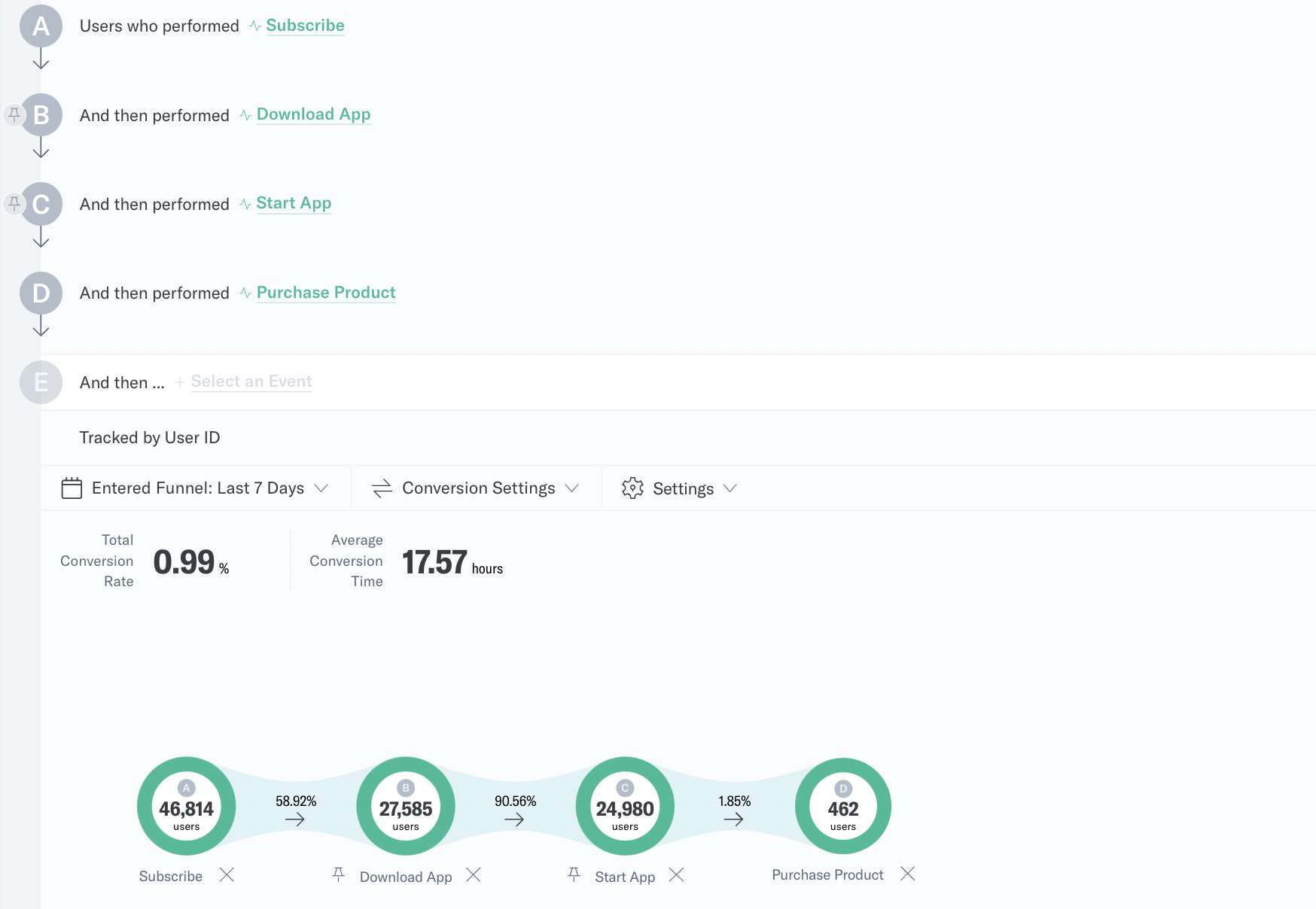
To illustrate another common use case, consider that all events sent to Analytics via a data warehouse integration will often contain the same timestamp. Approximate Conversion Order allows these events to be analyzed using the Funnel tool.
Overview
The default Funnel Conversion Order is sequential, meaning that events have to happen chronologically, with distinct timestamps for each user to count as converted through the Funnel steps. However, as illustrated above, often those two events occur with the same timestamp. In order to account for scenarios like this, toggle to Flexible conversion order. To switch between the two settings, select Conversion Settings in the menu bar, and then toggle between Sequential and Flexible in the Conversion Order line.
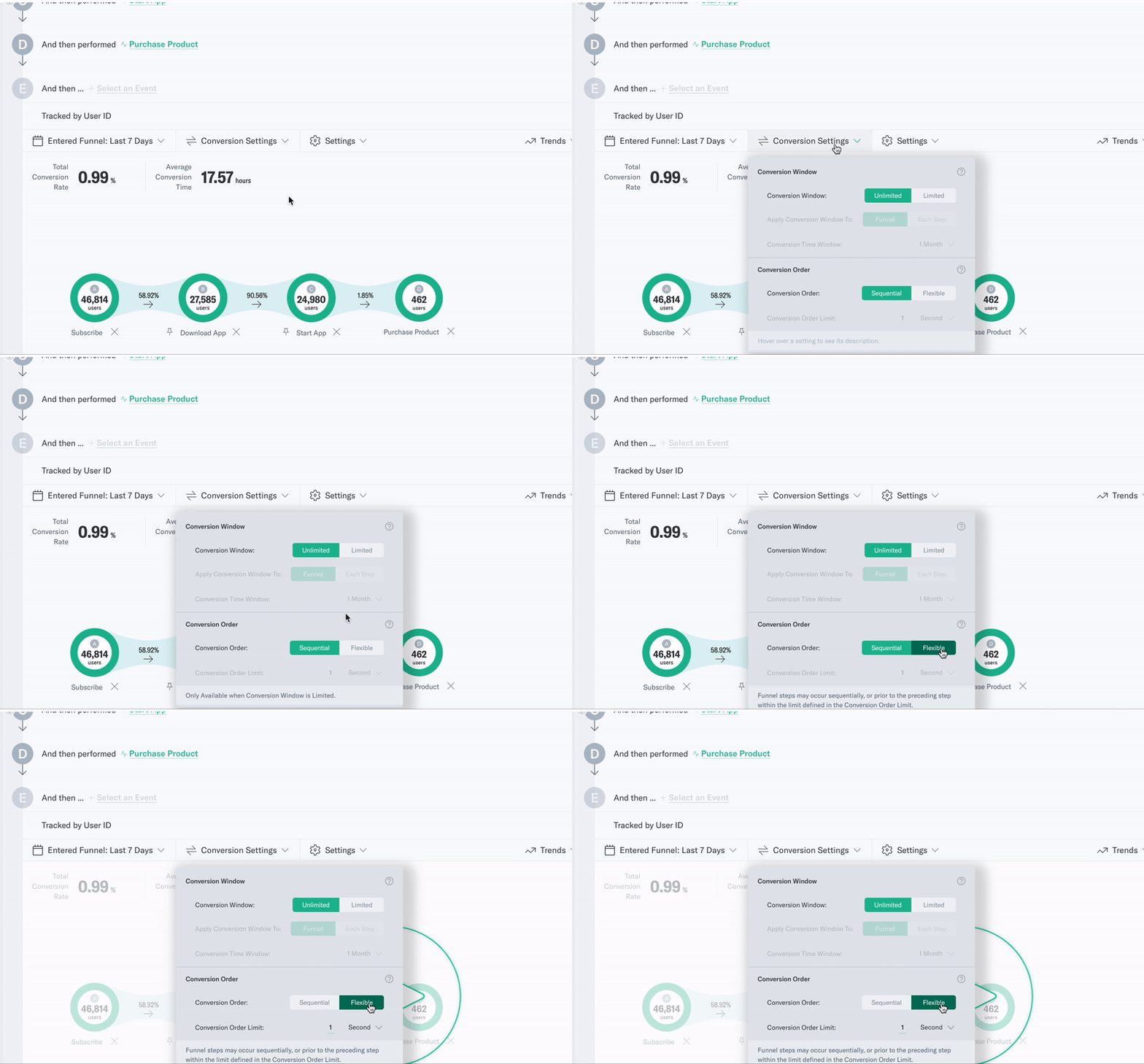
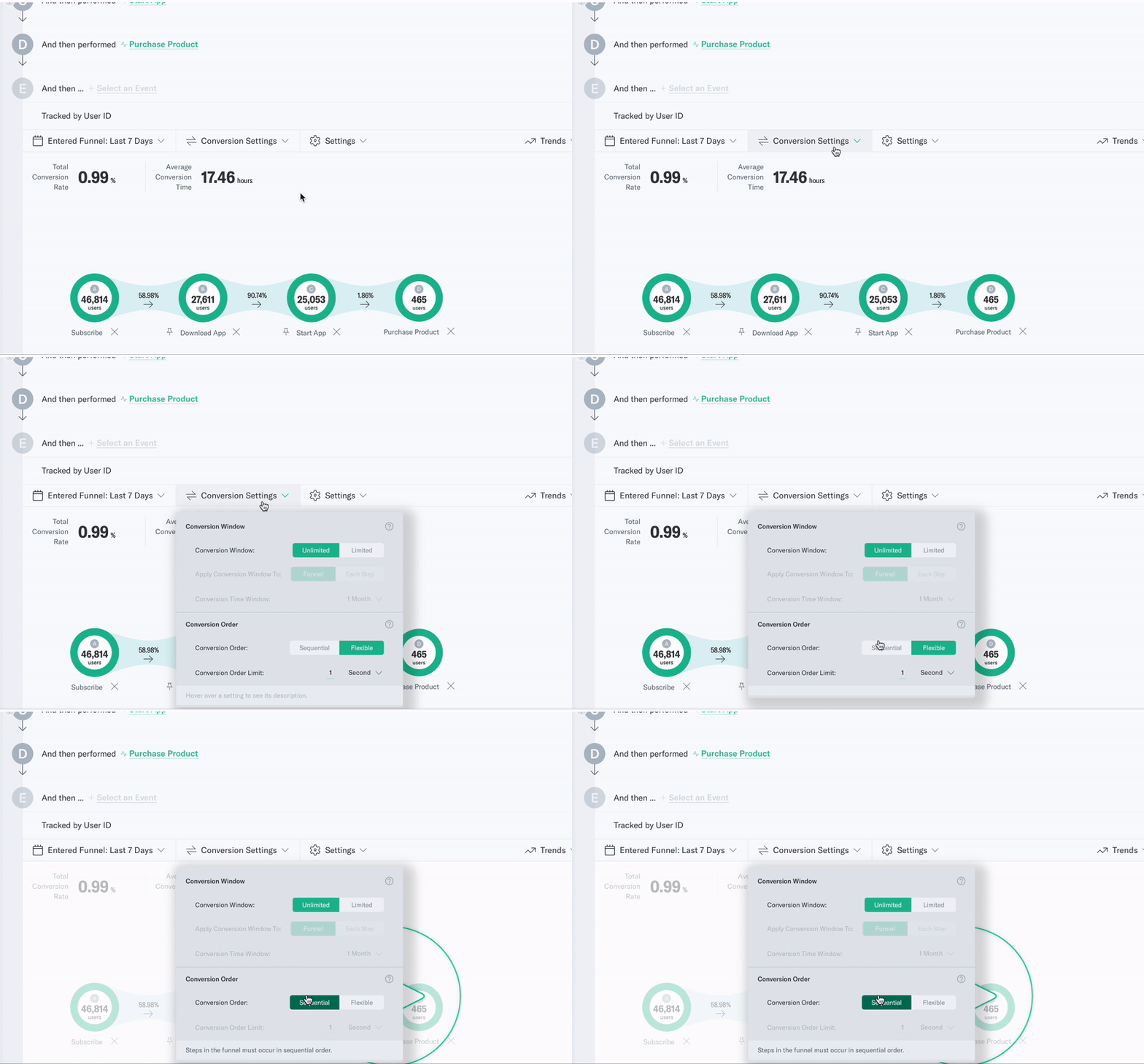
Sequential order
Typically, each user in the funnel must complete each event in a chronological order, one after the other. In the example below, this means that Subscribe must happen before Create Profile, with a distinctly different timestamp. The same logic applies for each event that follows.
Flexible order
If you select Flexible Conversion Order, then each user in the funnel may complete each event in a chronological order, or up to one day prior. The options for Conversion Order Limit start at one second, and are configurable to minutes, hours, and to one day. This would mean that users can perform subsequent events in the funnel with a timestamp prior to the first event in the funnel, and still be counted in the results.
In the example below, Subscribe can happen with an earlier timestamp than Create Profile, and this user will count as having converted between the two steps. The same logic applies for each event that follows.
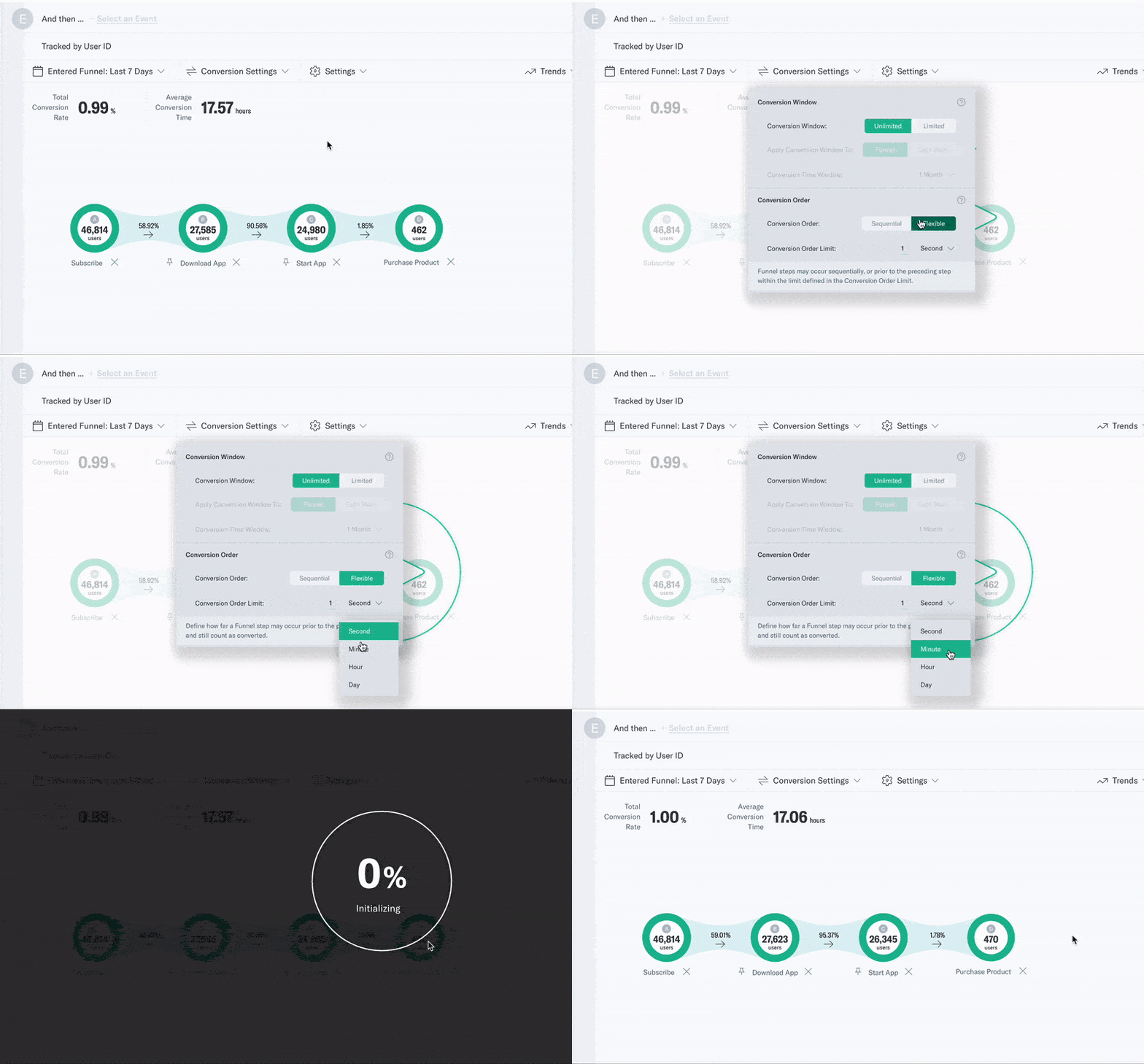
In the case of events with the same timestamps, timestamps are defined as the same if they occur within the same second. This means that if a user performs Subscribe and Create Profile at 00:00:00.99 and 00:00:01.00, then this user will not count as having converted. If a user performs Subscribe and Create Profile at 00:00:00.01 and 00:00:00.99, then this user will count as having converted.
Custom, joined and repeat events are supported in Flexible Conversion Order, but please note that there must be distinctly separate instances of each event for a user to count as converted.
Conversion logic
Which event is prioritized in the conversion rate – for example in the case of the Average Conversion Time metric?
When the conversion rate is calculated, Analytics’ logic prioritizes different events based on their timestamps, prioritizing the shortest amount of time, or absolute value, of their occurrence to event A.
Take a funnel with two events: Download App (Event A) and Start App (Event B). Conversion Order is set to Flexible, with a time limit of one hour.
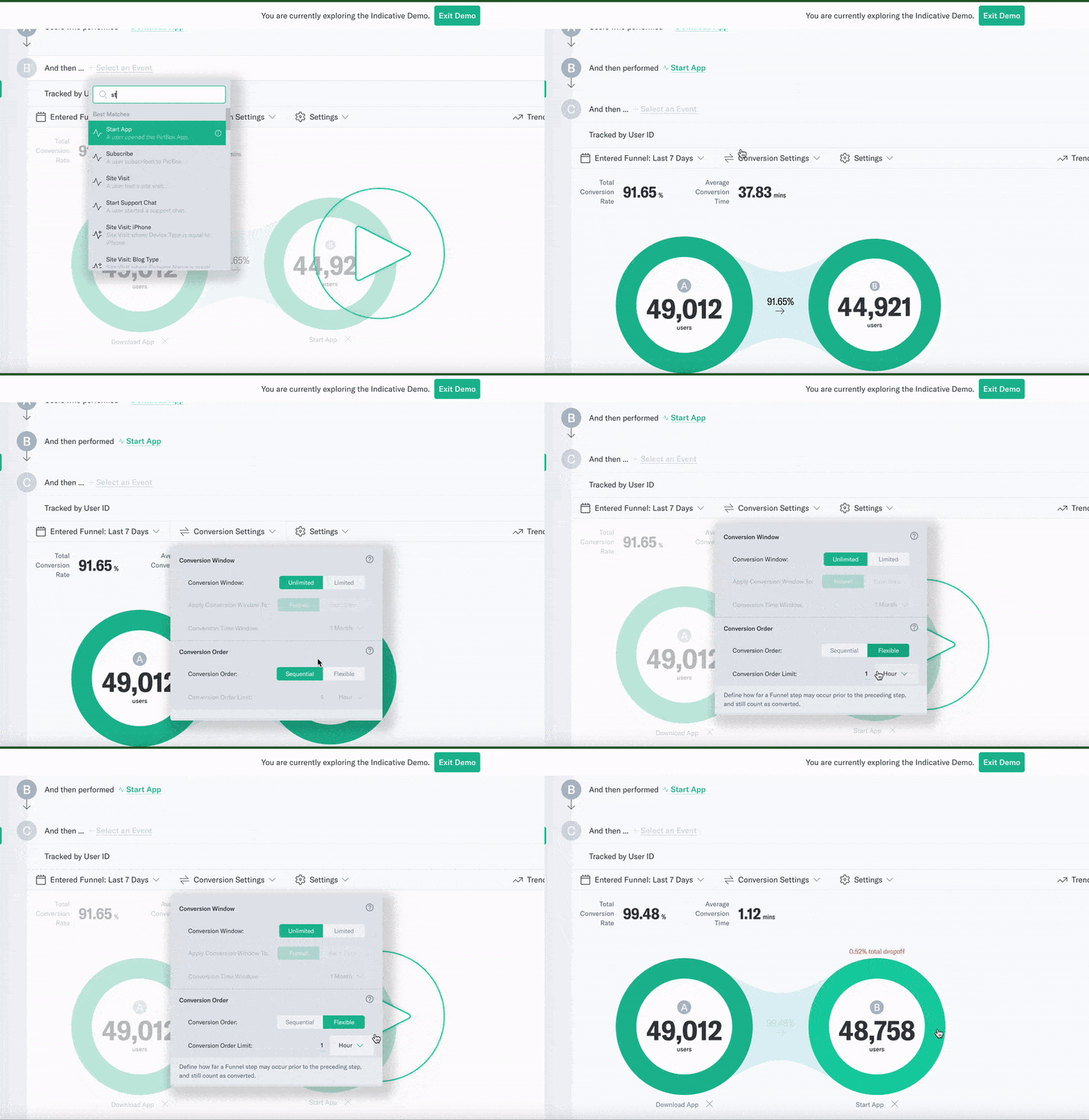
In this example, the timestamps for events performed by a single user are as follows:
- Start App at 1:15 PM
- Download App at 2:00 PM
- Start App at 2:01 PM
Here, the absolute distance from Download App, or event A in the Funnel, is counted. Therefore, the instance of Start App that occurred one minute after Download App will be counted instead of the instance of Start App that occurred 45 minutes prior.
Some additional logic affects how these events are treated in the results:
- In the case of identical values (say, 30 minutes before and 30 minutes after) for such events, the event which occurred after event A will take precedence.
- In terms of Conversion Time results, any events occurring before event A will be counted as occurring with zero difference, as if they occurred at the same time as event A.
Was this page helpful?
- Last Updated: October 16, 2026